Showing Pressured Fish Something Different
One of the biggest takeaways from forward-facing sonar isn’t just what we can see now — it’s what it’s taught us to unlearn. Late-season bass and bait don’t always follow the textbook migration we grew up hearing about. As Jacob Walker points out, shad aren’t guaranteed to push all the way to the backs of creeks. Livescope has revealed something more dynamic: bait can be just as concentrated in main-river channels and at the mouths of major creeks. That wider playing field is exactly where some of the most valuable late-season fish live.
On southern reservoirs like Lake Guntersville, that insight opens the door to a different kind of fall pattern: targeting isolated bass. Wolfpacks of largemouth and spots certainly roam and feed this time of year, but the biggest fish often separate from the chaos. They slide into small windows, shadow isolated schools of bait, and cruise with a level of caution that matches today’s pressure-heavy fisheries.
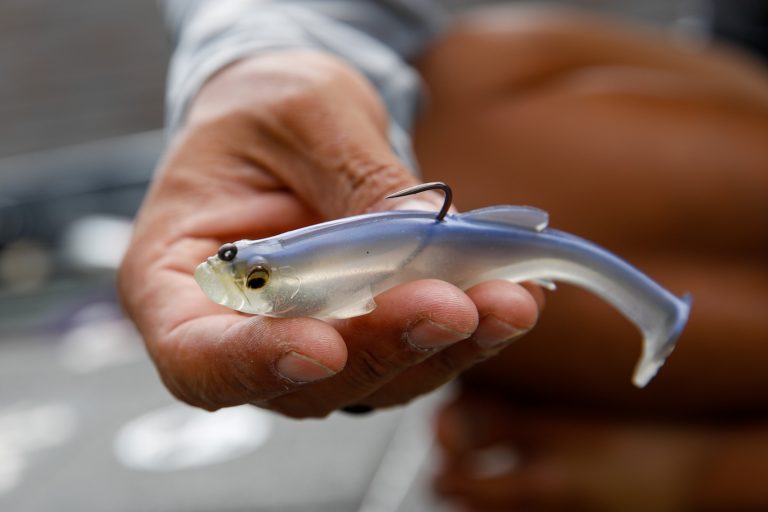
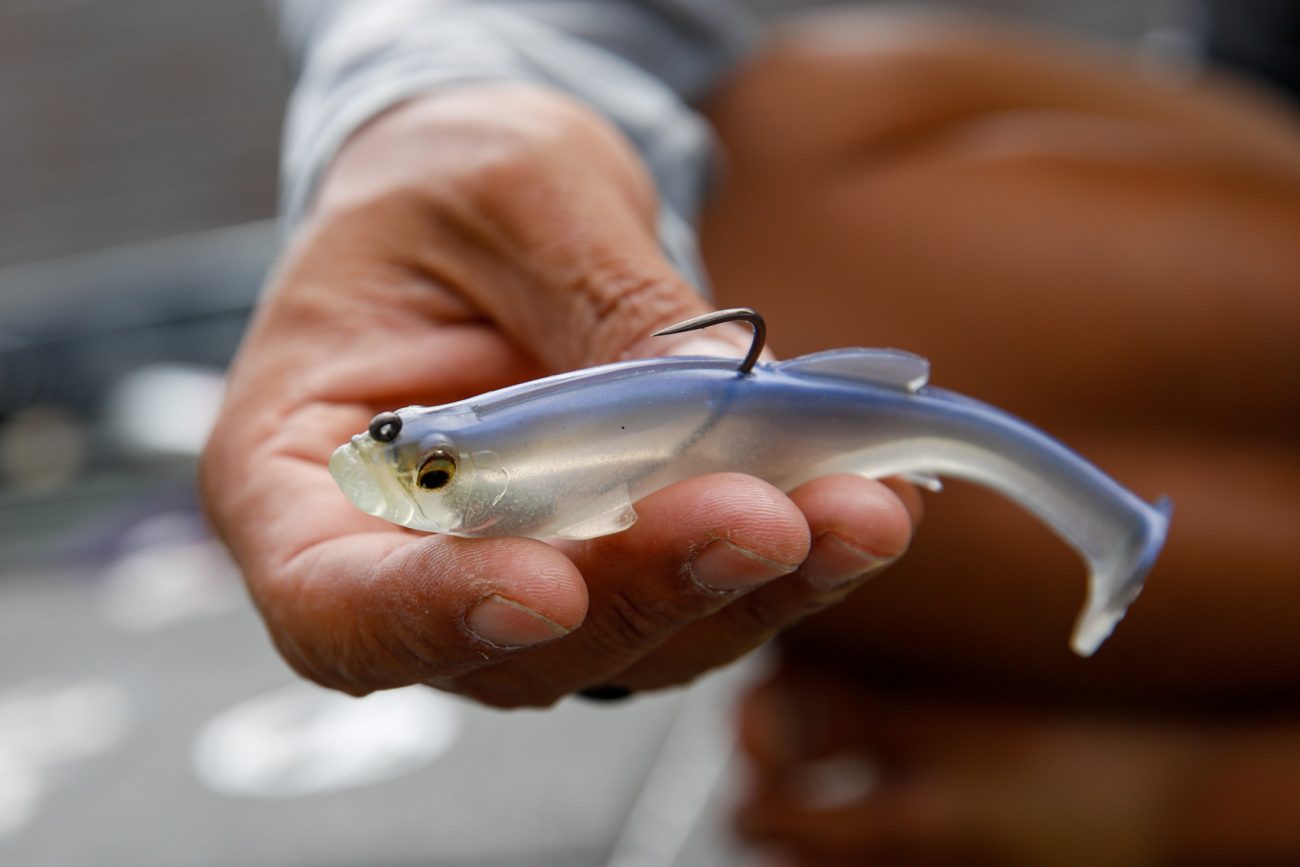
Forward-facing sonar may have made these fish visible, but it’s also made them smarter. Soft-plastic minnow presentations remain essential tools, yet time on the water keeps proving the same thing: when bass are roaming and wary, a jerkbait can be the more efficient and more convincing answer, even in conditions where we once relied solely on finesse.
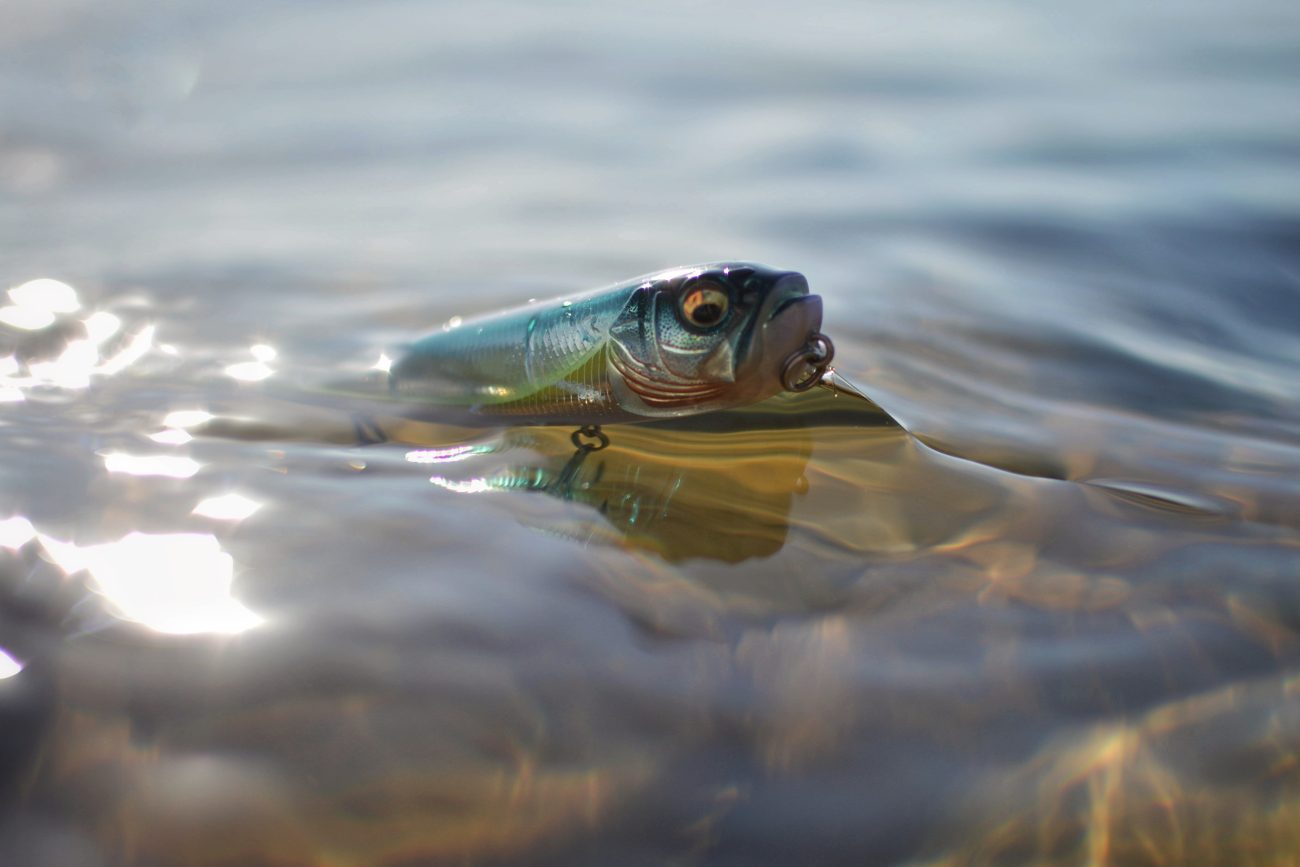
Two baits have become standouts for this pattern. The VISION ONETEN+1 gives us the depth and control to stay with suspending roamers, while the DOG-X DIAMANTE SONICSLIDE covers water fast and triggers fish that rise high in the column. Alec Morrison sums up why the jerkbait shines here: “It’s not a steady, tracked-in presentation. It’s start-and-stop energy, with a pause that lets bass come to the lure on their terms.”
Cadence and Rod Movements
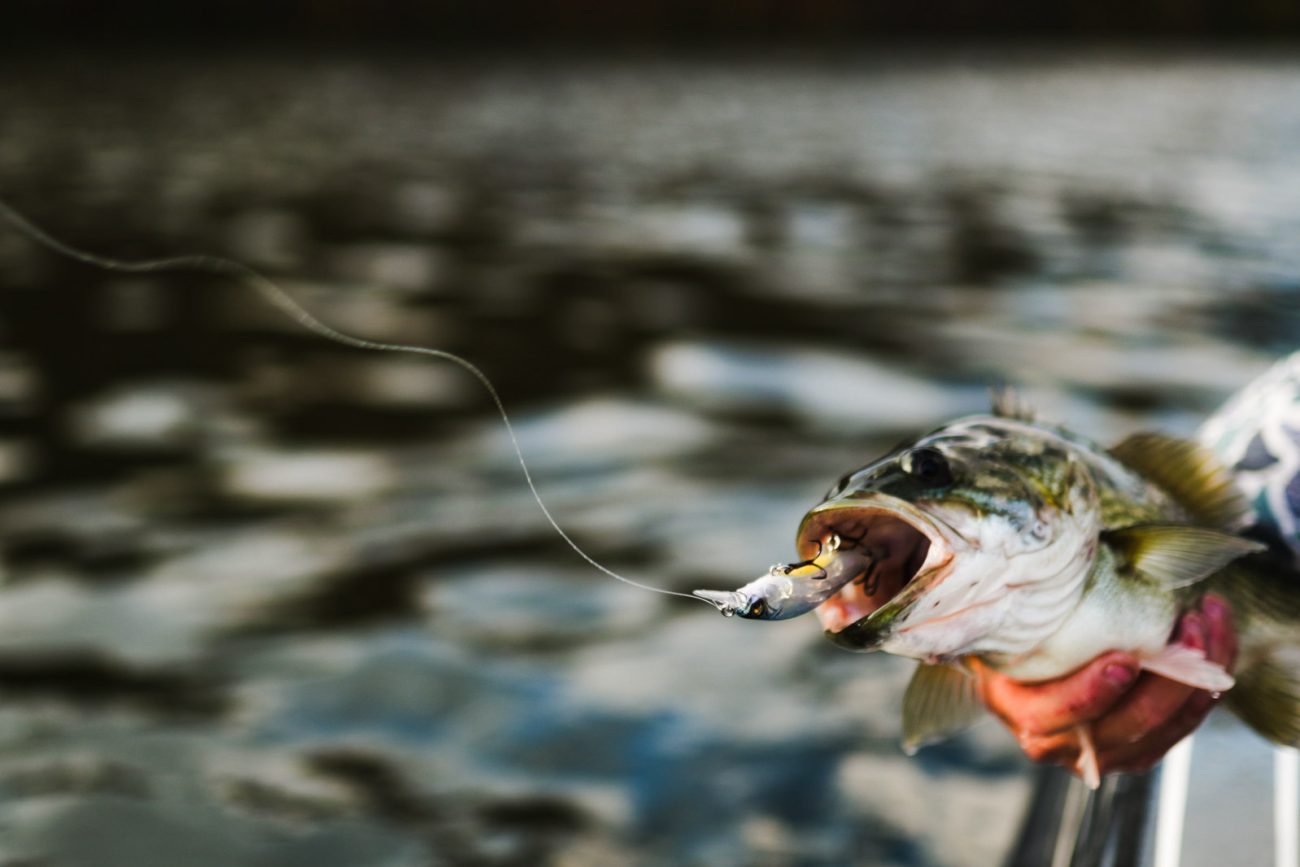
Before Livescope, dialing in a jerkbait bite was a long experiment built on cadence, conditions, and guesswork. Now, we can let the fish tell us what they want in real time. Morrison describes it as matching each bass’s energy. Some fish need a slower, more calculated cadence. Others demand speed and aggression to spark a reaction.
Most of these late-season targets are suspended over 10 to 40 feet, but they’re rarely on bottom. More often, they’re holding 3 to 15 feet down, positioned to intercept bait. That’s where the VISION ONETEN+1 separates itself. Walker’s approach is simple and repeatable: keep the bait above the fish and in their awareness zone, not below them. He’ll cast well past a target to let the lure reach its running depth early, then fine-tune the bait’s track based on the fish’s response. When a bass starts to activate, shifting to a more upward, pull-driven cadence widens the bait’s walk without lifting it out of the zone — a subtle change that often turns followers into eaters.
The theme here is distance. With educated roamers, staying farther off the fish increases bite odds dramatically. The VISION ONETEN+1 allows that buffer while still maintaining precision depth control.
How Current Shapes the Late-Season Bite
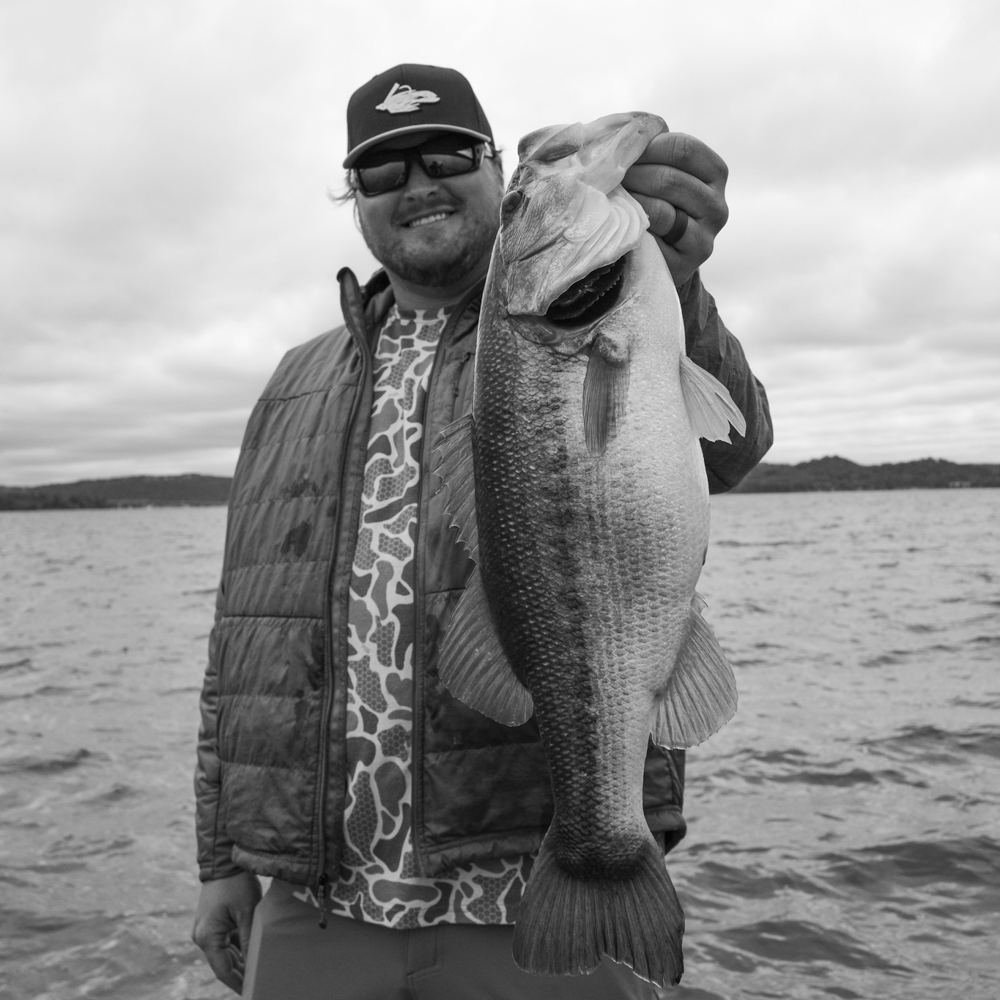
Mid to late fall can feel scattered because bass aren’t reliably tied to obvious cover. Later, as winter approaches, stronger current or stained water draws them closer to banks and defined hard cover. But in the heart of fall, grass fish aside, finding bait almost always means finding fish.
Current is the force that organizes bait movement, and bass line up accordingly. Even when it’s subtle enough that we can’t see it on the surface, it’s shaping the entire food chain. Bass consistently set up at the tail of outside bends and on any structure in a heavy-current section that offers a clean current break. Those breaks can be as small as a single rock shelf or as big as an inside bend that creates an obvious slack-water lane.
On a system like Guntersville, that current-bait relationship doesn’t narrow the lake — it opens expansive water that becomes far more relevant in fall. Instead of chasing only the backs of creeks, we can target any stretch where flow concentrates forage and gives isolated bass a predictable ambush lane.
Color Theory
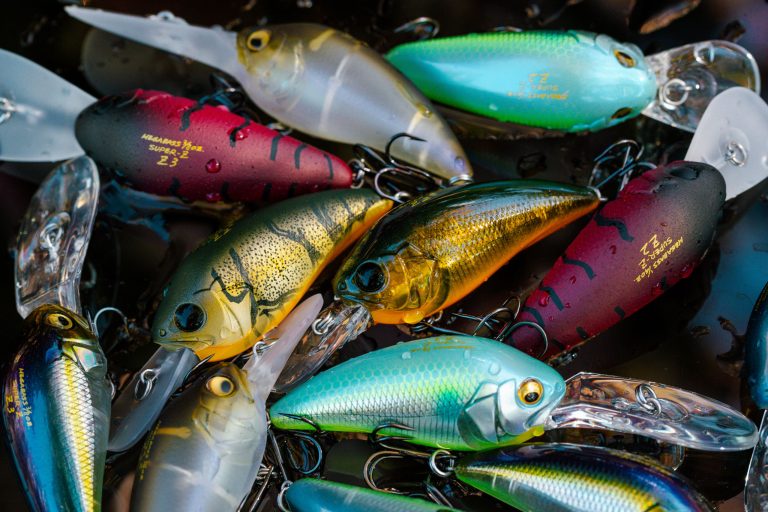
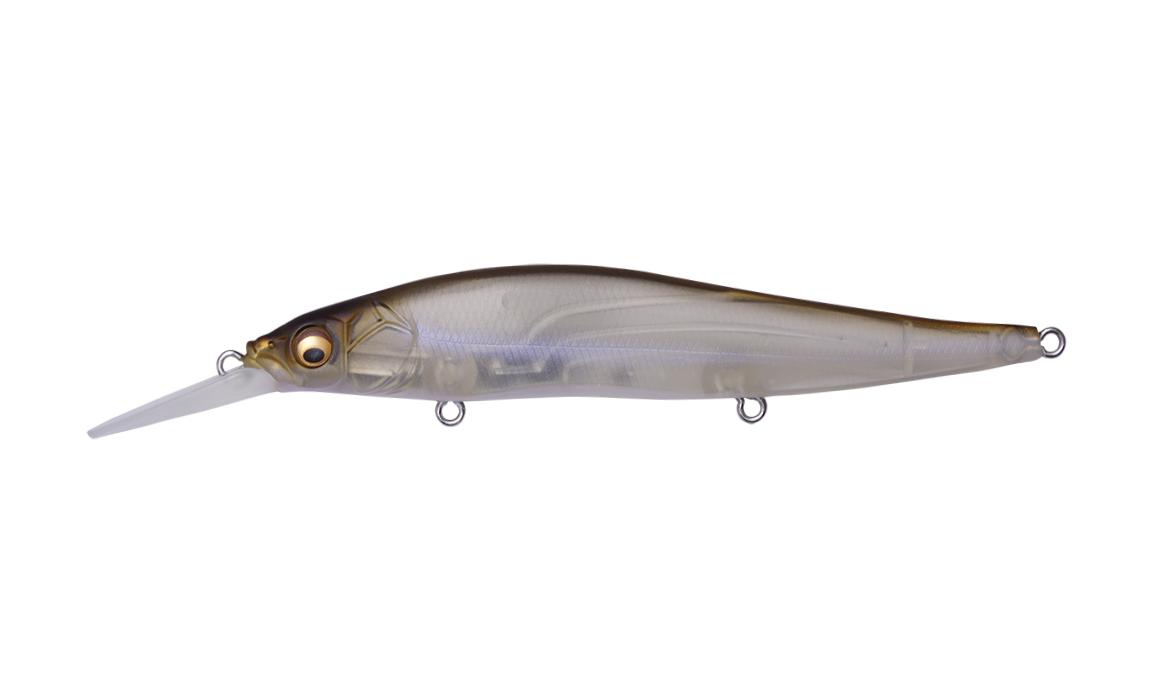
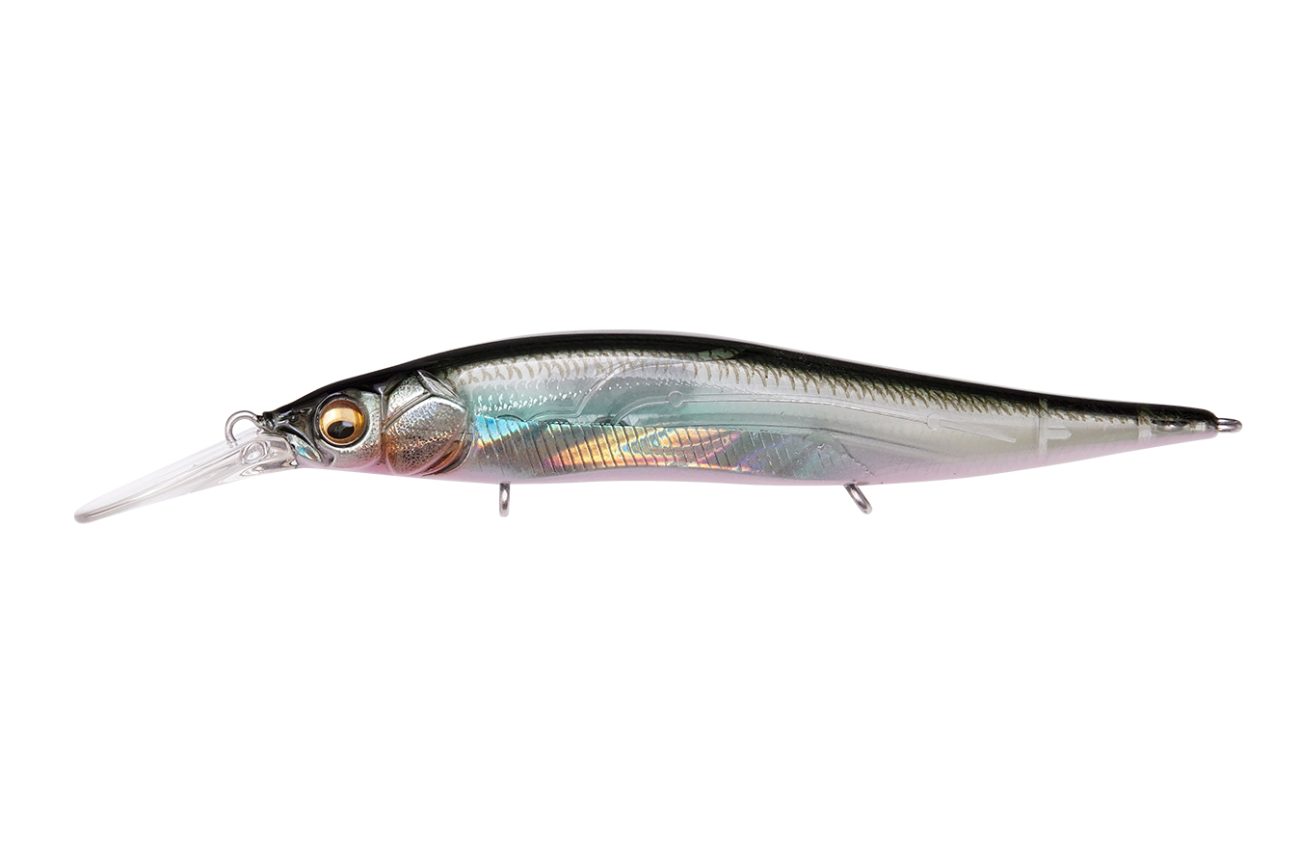
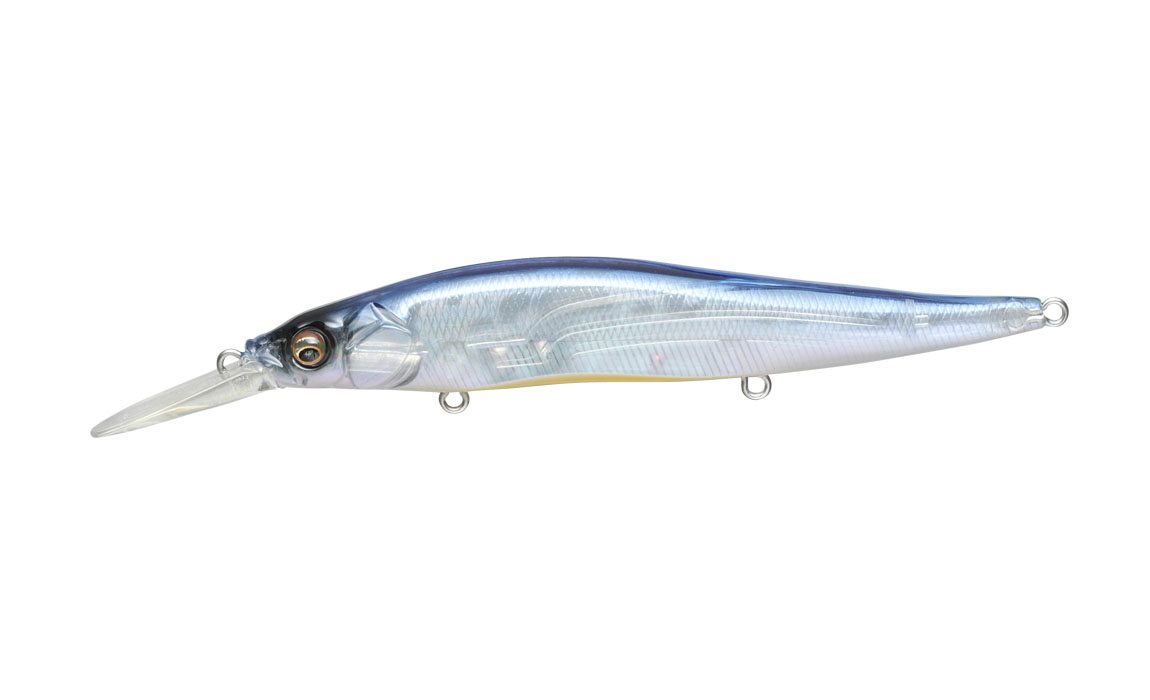
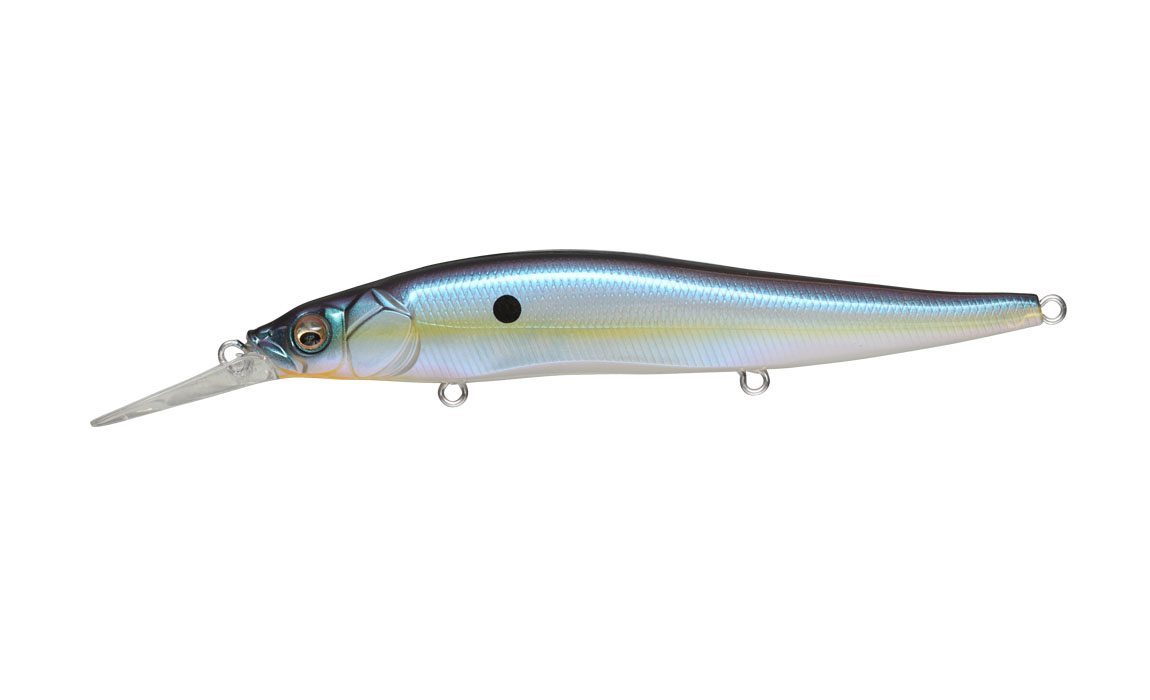
With a wide variety of colors in the VISION ONETEN+1 lineup, it’s easy to overthink color selection. The best approach is to keep color choices narrow and confidence-based, then let conditions dictate the final call.
Morrison keeps two primary options on deck because they cover opposite ends of the visibility spectrum. Mat Shad is opaque and reliable in both low light and bright sun. Ito Clear Laker, available only in the VISION ONETEN and ONETEN+1 JR., is translucent with flash in the belly, giving bass the blend of realism and flare that roaming fish respond to when they’re inspecting a bait at distance.
Walker has leaned hard into GP Pro Blue II — the color profile of a proven staple with a bright belly accent that continues to impress in stained water. He also mixes in Mat Shad and Sexy French Pearl as light conditions and water clarity shift.
Tackle Preferences
The VISION ONETEN+1’s casting stability lets us fish heavier line without sacrificing distance or accuracy. And because these isolated fall bites tend to be big-fish opportunities, stepping up to 12–15 lb fluorocarbon makes sense. It’s a clean balance between stealth, control, and landing power.
From there, personal cadence style dictates gear. Walker prefers a 7’2” medium-action rod paired with a compact 70-size reel to reduce startup inertia and keep casting smooth at typical FFS ranges. He likes a fast retrieve ratio not to burn the bait, but to reset quickly and maximize opportunities.
Morrison leans on the Destroyer P5 (USA) F4½-611X ONETEN Special, a purpose-built platform that he uses for 110–140 mm jerkbaits. He pairs it with a slightly slower reel, 6.4:1 to 7.3:1, to maintain cadence discipline and avoid overworking the lure.
Wider Swings and a Taller Profile
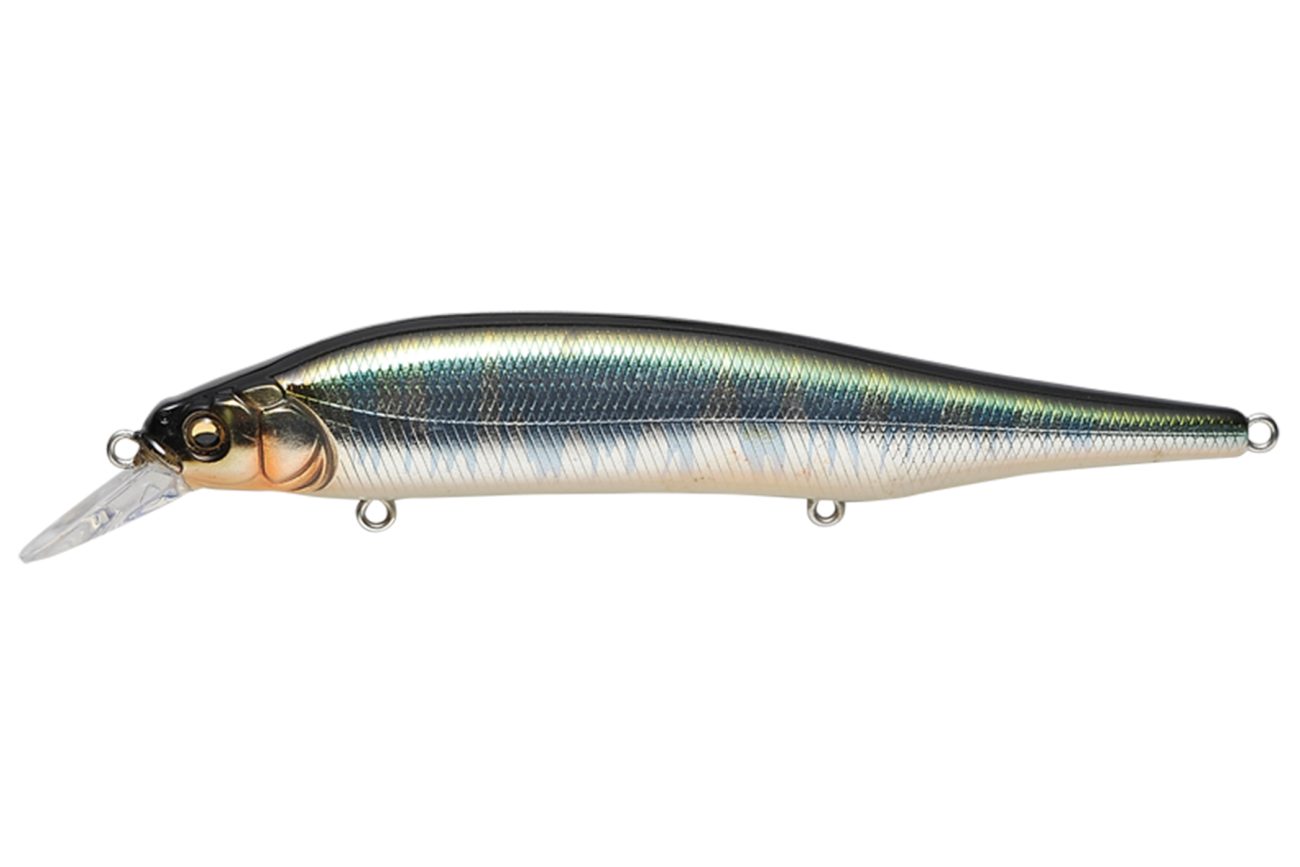
There are windows in fall — especially around gizzard shad — when fish ride higher and want a bigger meal. That’s when Walker steps up to the ITO SHINER. A larger profile, louder internal weight transfer, and a shallower running depth make it a natural match for high-column gizzard feeders. The Ito Shiner also brings a different walking footprint, thanks to its cupped lip and wider sweep, giving isolated fish a look that separates from the tighter, faster action of the VISION ONETEN series.
His confidence color here is Wagin Hasu II, a deadly gizzard mimic wherever silver sides and dark backs are the dominant forage signature.
Morrison's Topwater Curveball
When roaming bass rise even closer to the surface, the natural pivot is to a shallower jerkbait. But another high-percentage move is to stay in the same areas and shift to topwater — especially in fall windows when bait is nervous and fish are willing to track up.
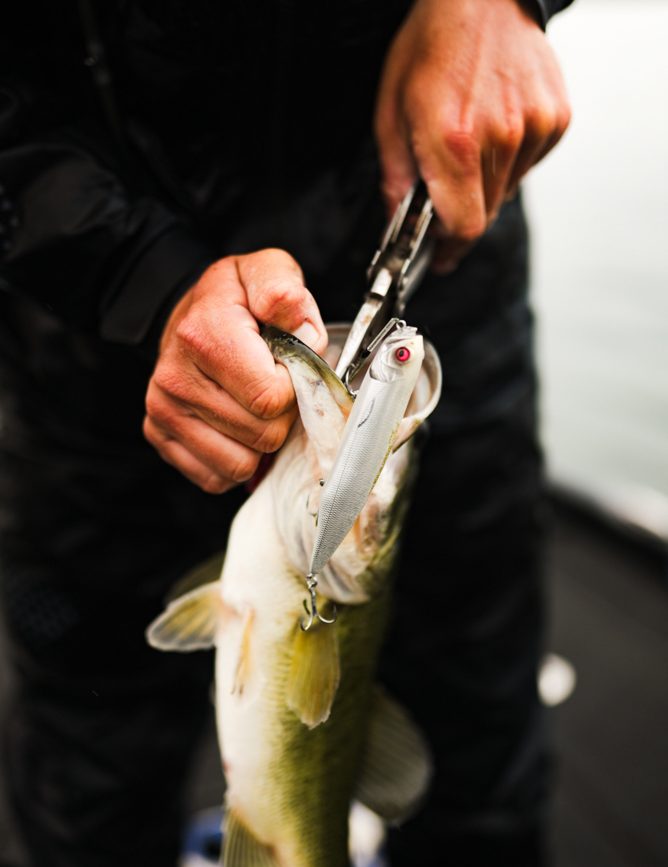
That’s where the DOG-X DIAMANTE SONICSLIDE earns its keep. The SONICSLIDE retains the walking bite-triggering profile of the DOG-X DIAMANTE line, but adds key refinements: slightly more mass for longer casts and a single knocker that throws a deeper, cleaner echo. It’s built to cover water quickly and call fish from distance without sounding frantic or overbearing.
Morrison fishes it on a DESTROYER P5 (JDM) F5-70X Madbull with braid and a short fluorocarbon leader for maximal walking control, and keeps staple forage tones ready — Mat Shad, MB Gizzard, and SH Stain Reaction.
One-Two Punch
Success in the late-season is dependent on movement. Bait shifts daily, bass follow, and the most productive zones can rotate from one stretch to the next in a matter of hours. With the VISION ONETEN+1 and DOG-X DIAMANTE SONICSLIDE, we can stay on that moving target — covering water, reading fish in real time, and turning isolated roamers into repeatable bites.