By: Patterson Leeth
Every year, between the never-ending winter and the impending spring, a grey zone appears—both visually and theoretically. It’s trout season for my wife and me. I’ve found this doldrum to be an enjoyable respite from the windows and walls, and an excuse to traipse through soggy cow pastures and organic fields of last season’s cabbage.
The Driftless Area is a remarkably diverse ecosystem: dirt as black as hands could ever need, and an abundance of critters leaving traceable pathways along the melting ice shelves—pathways that prove to be your best friend until they aren’t.
I’ve driven thousands of miles through this roughly undefined area where the glaciers gave up, and the Amish carry on. It reminds me of where I grew up—Missouri limestone country with soft shoulders and dangerous curves, gin-clear water with opaque effervescence, the sound of winter’s bounty seeping out of rock walls, and the ever-present call of Angus cattle.
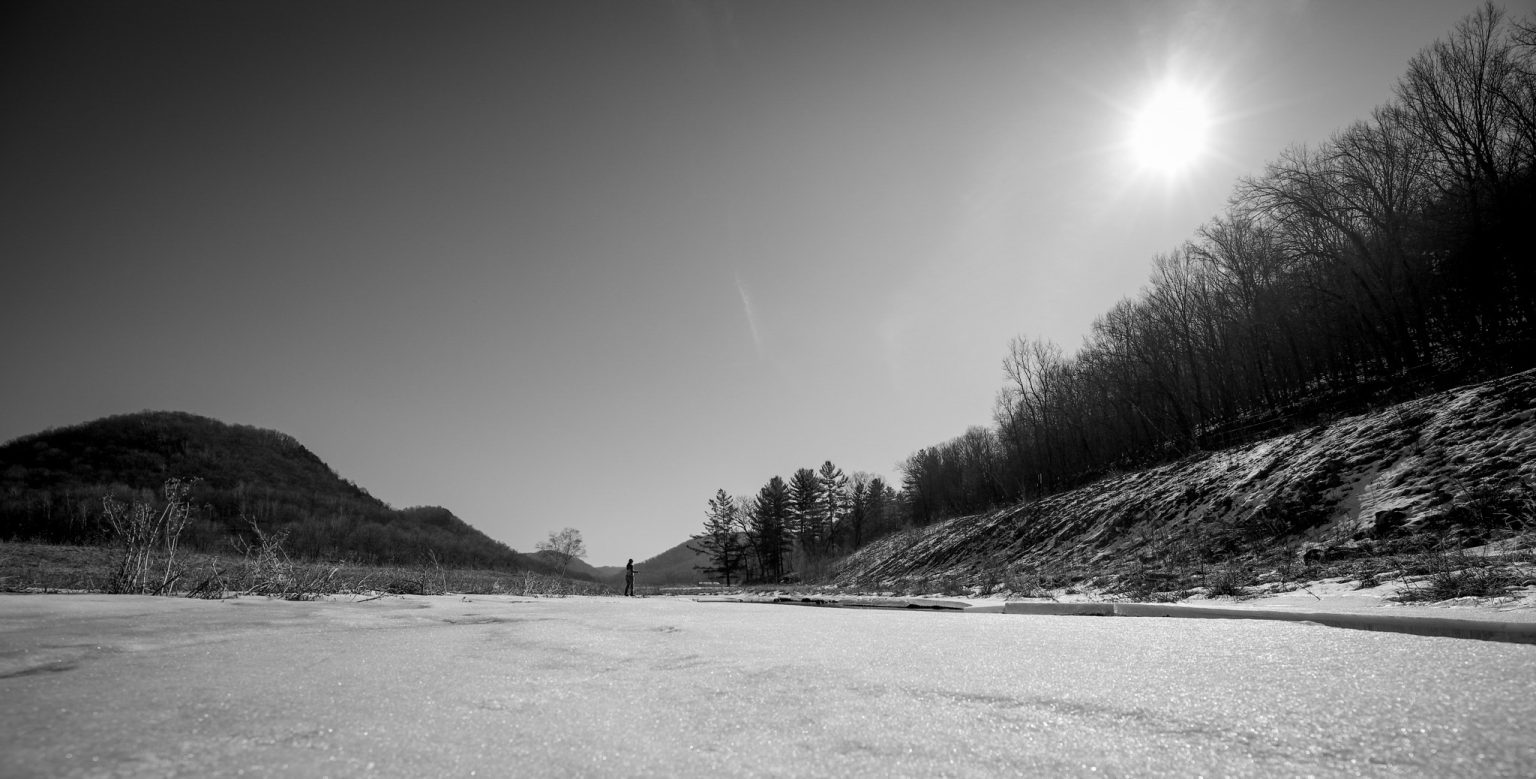
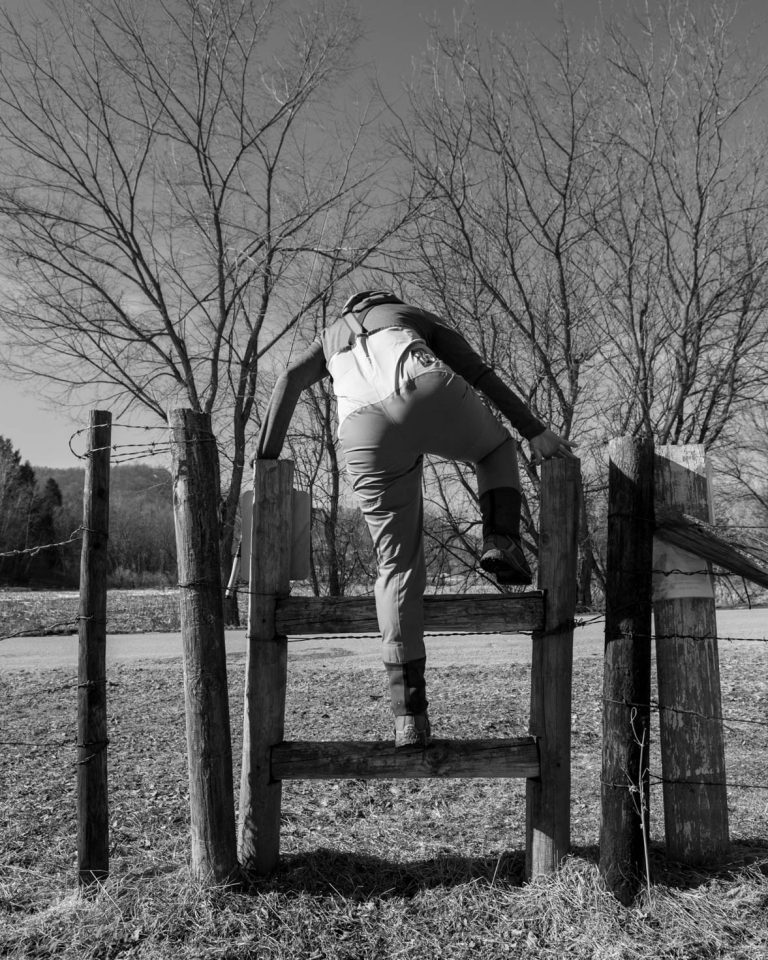
The systemic difference between here and other places that share this geographical lineage is a massive network of public easement on private lands—a model for stewardship that could change the relationship between landowners and the forever-thankful anglers who throw legs over barbed fences.
Those little white signs of freedom—sometimes more visible than others—feel like a signal: respect, access, and a quiet agreement. More than likely, incentivized by tax write-offs. Good government, if you ask me.
This time of year, the prairies are matted down, the fields harvested, and the bugs relegated to the water. I first approached these banks with the same eager optimism that accompanies a fly angler throughout their career, wielding a 3–5wt in what I now consider one of the least approachable fly-fishing destinations in the world.
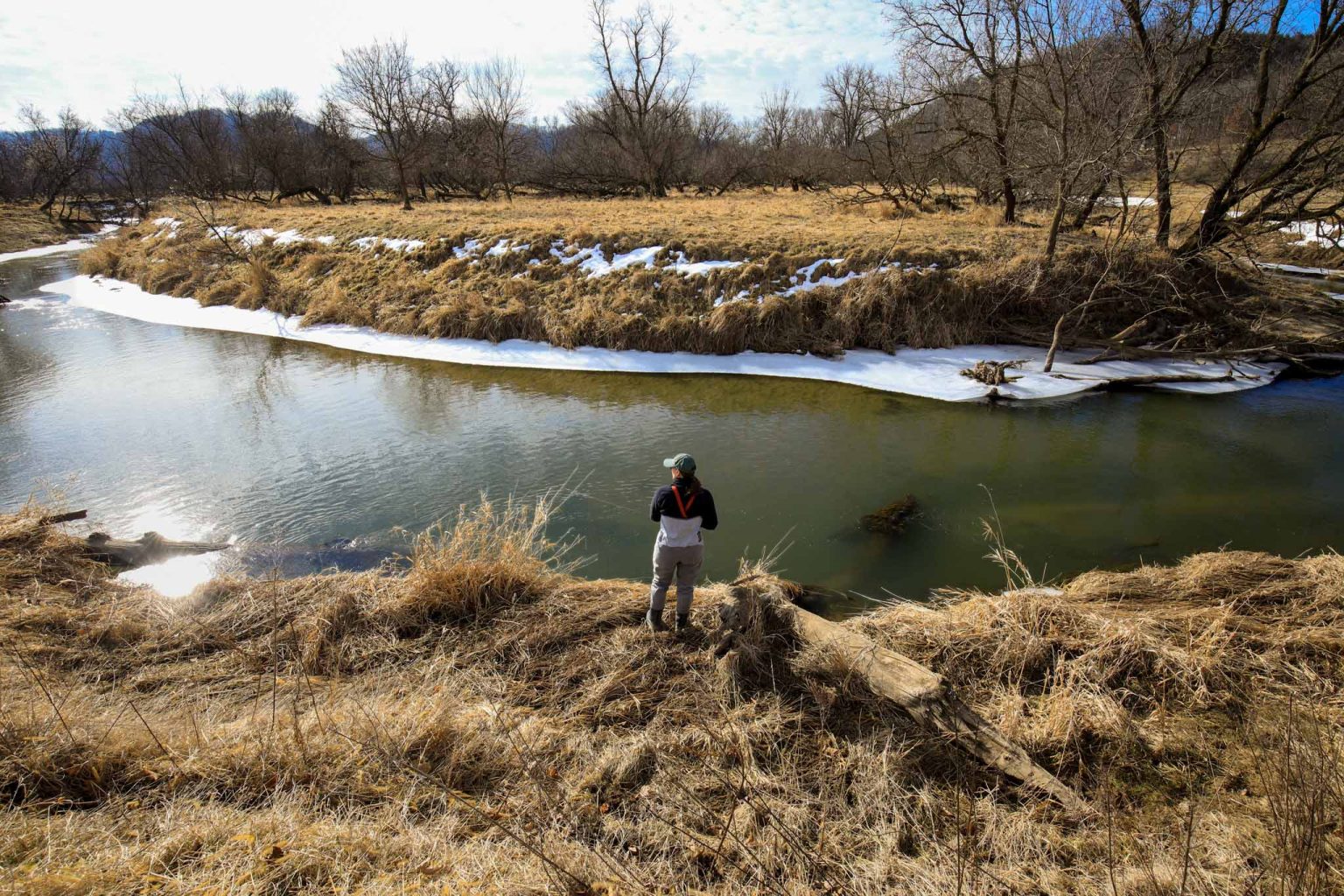
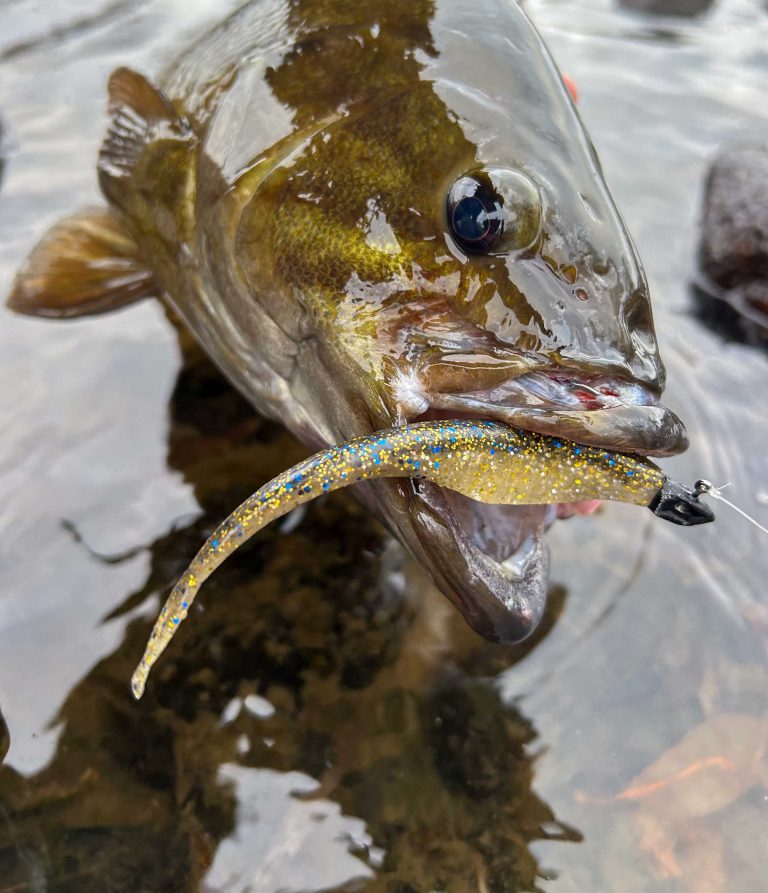
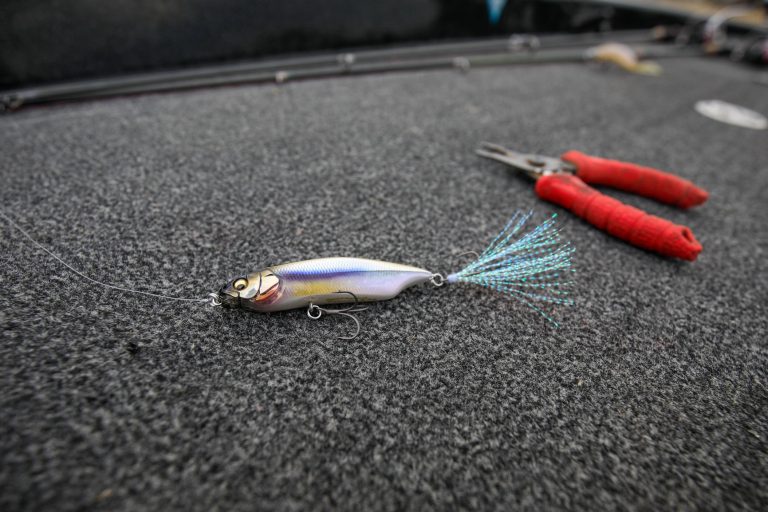
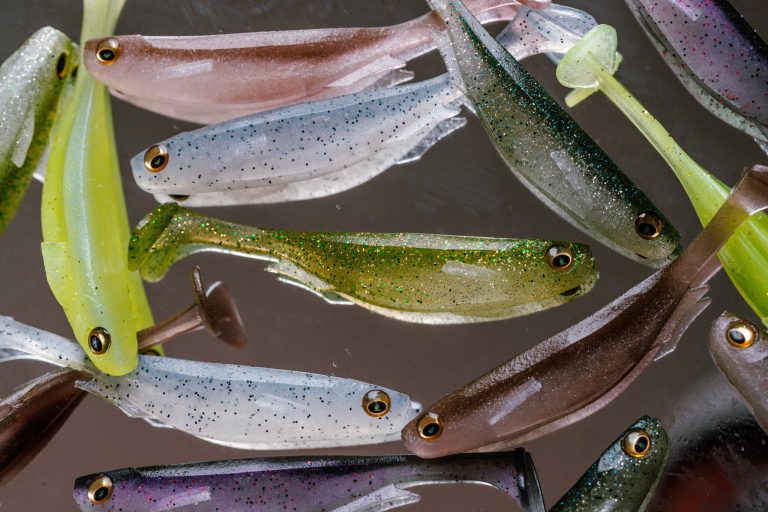
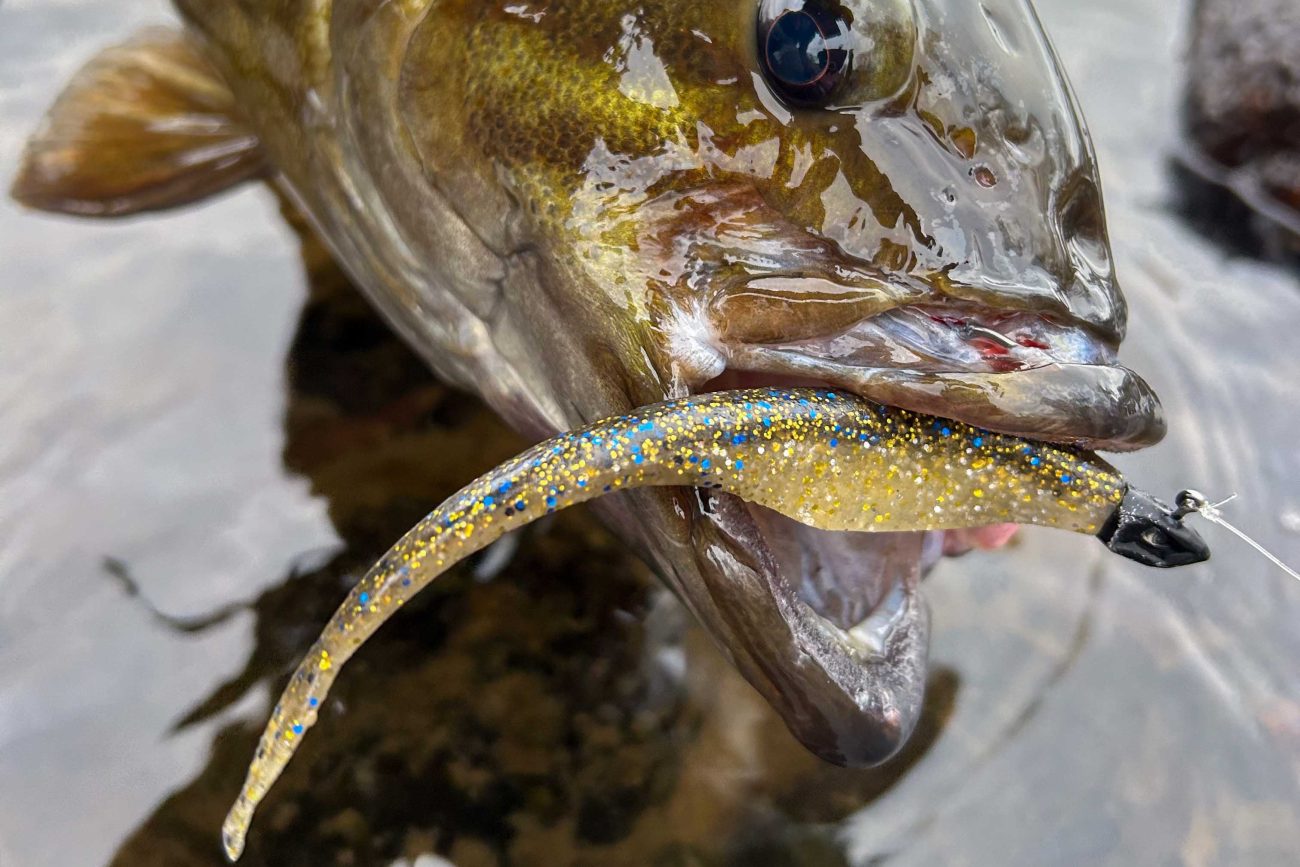
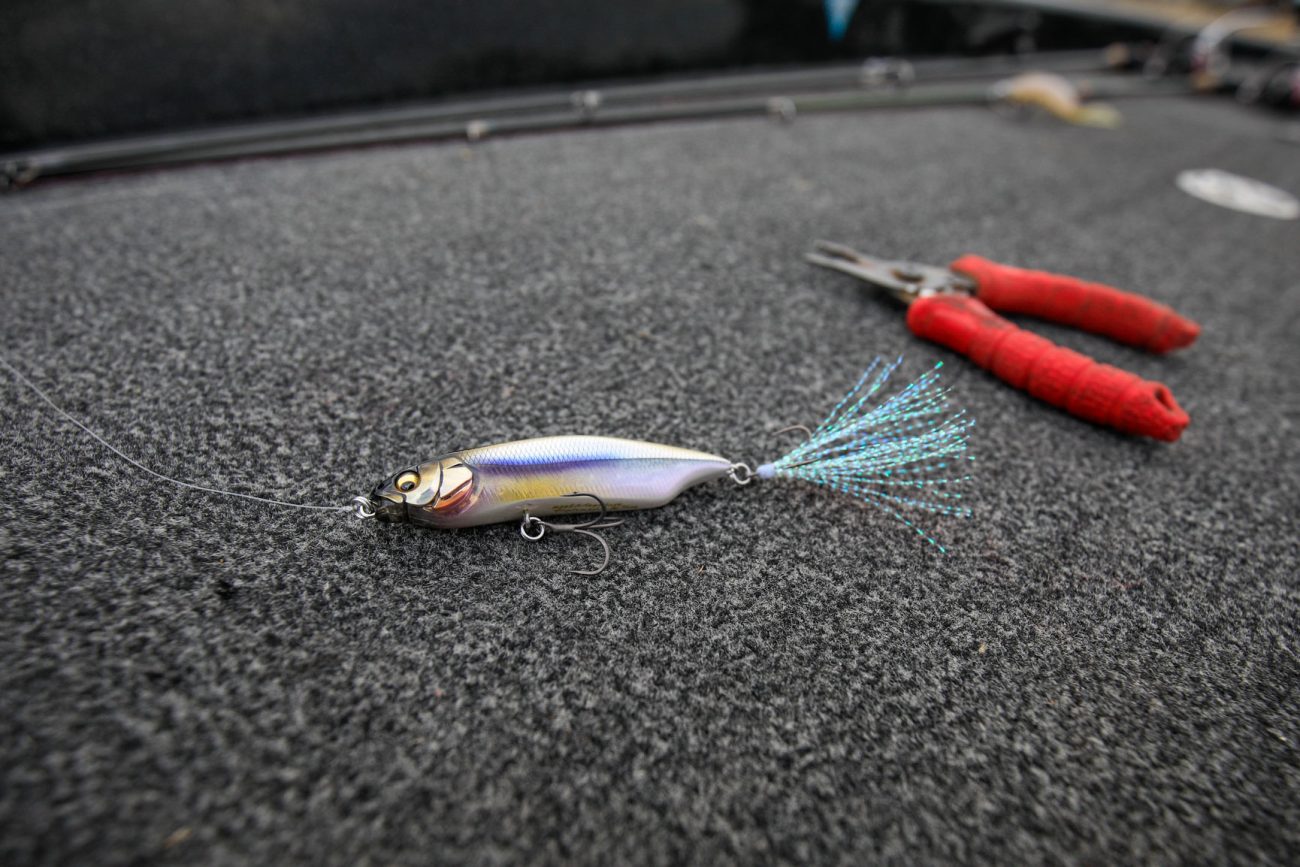
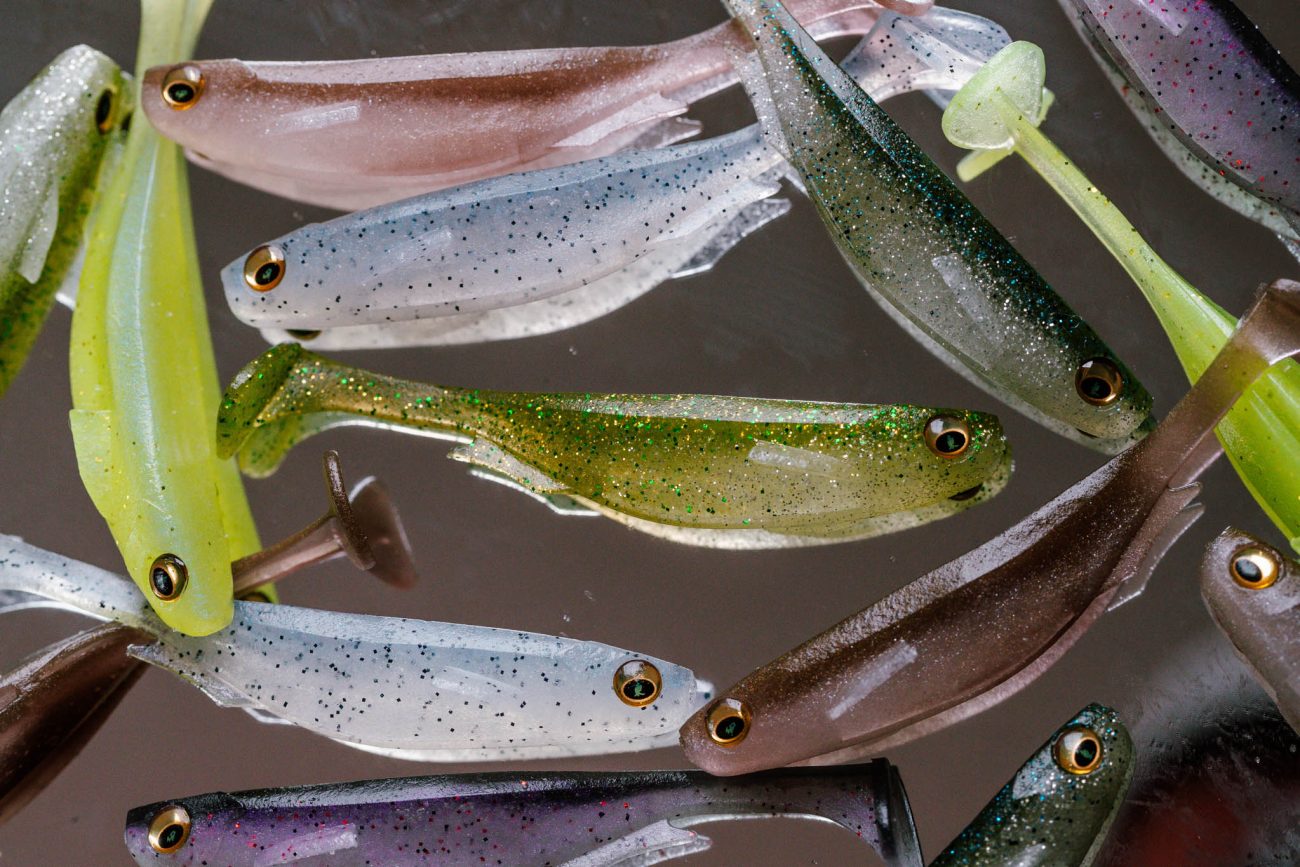
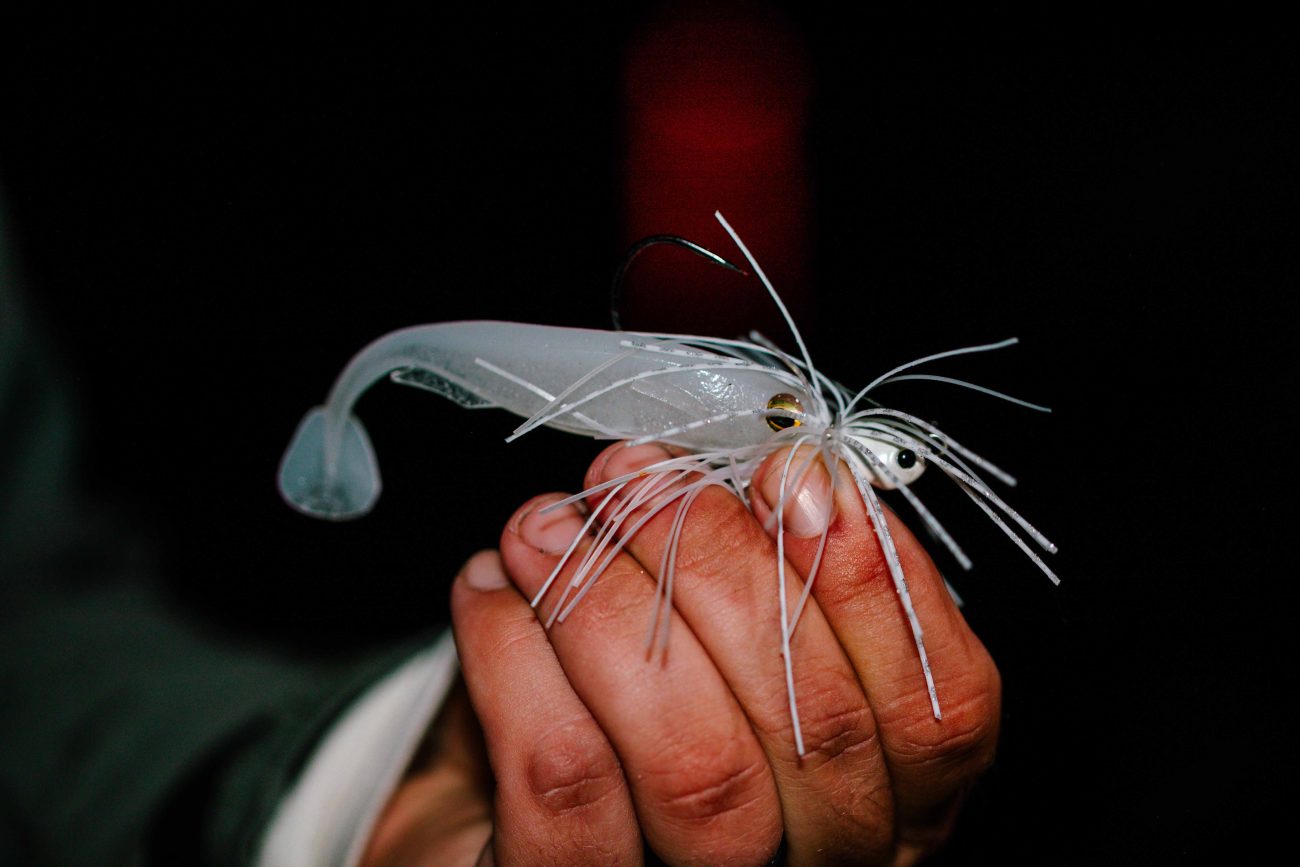
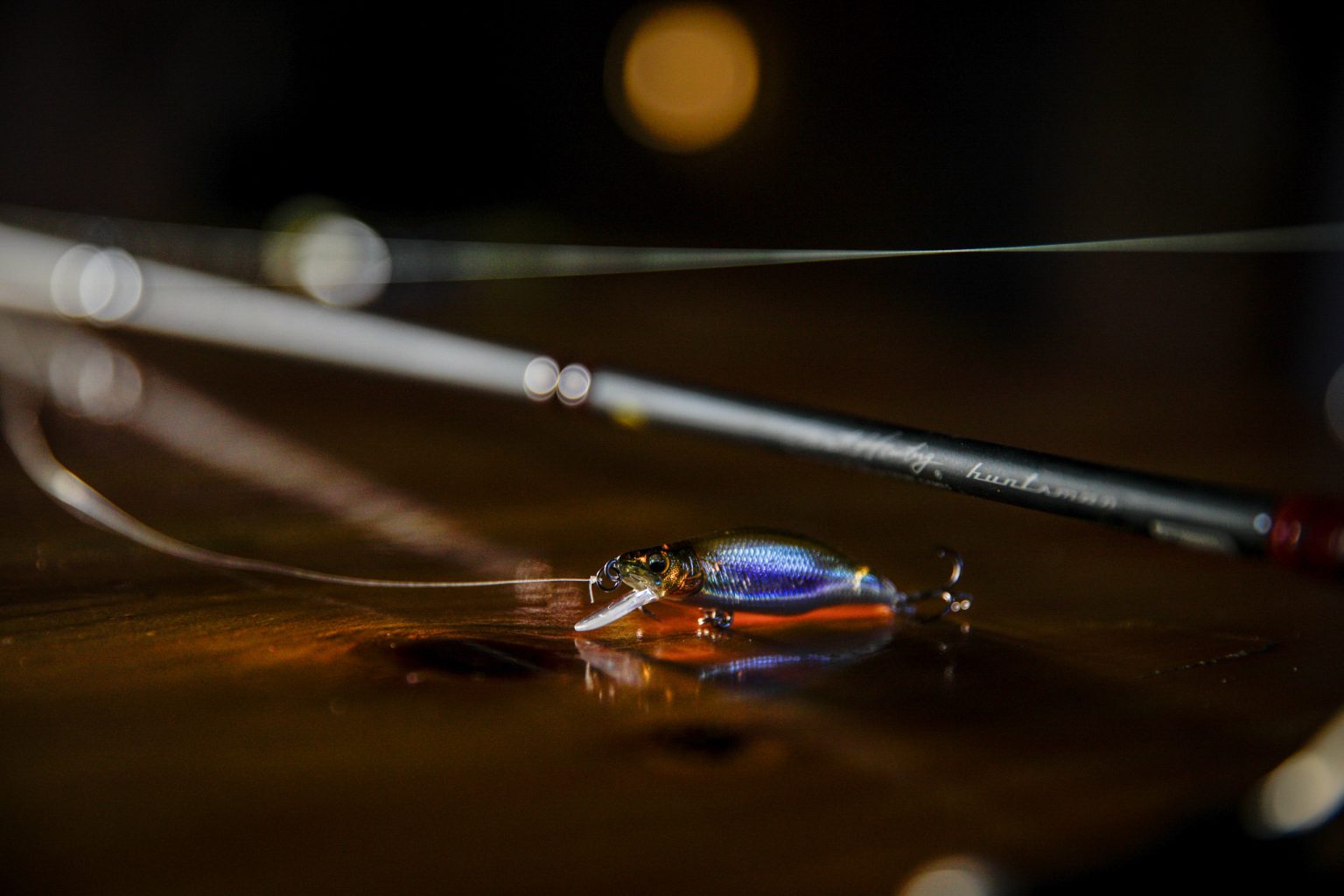
I still love a fly rod—especially when it makes sense. The Driftless happens to be ripe for ultralight tactics. I know it’s frowned upon by the purists in their sticker-riddled Outbacks, but life is too short to be stuck in bushes and brambles. Steep banks and walnut-tree overhangs are no longer deterrents. Stepping into the world of Great Hunting allows you to fish for these gems with efficient execution. Suddenly, all water is accessible, and the feedback loop—especially as a student of angling—is overwhelmingly enjoyable.
My wife also enjoys it immensely. She can fish her way, with optimism—not the paralyzing dread of a tangled nymph rig. I find as much joy watching from the elevated berms as she dissects water with grace, and I wait patiently for the heed to graciously slide down an embankment with net in hand. A lady should never have to net her own fish in my book—unless, of course, she prefers it.
There are moments and seasons I wish would remain in perpetuity—always accessible, just like the countless miles of water in Driftless Country. But alas, the grass will stand up straight, the bushes will green, and the cows will be relocated from the corn back to their normal haunts.
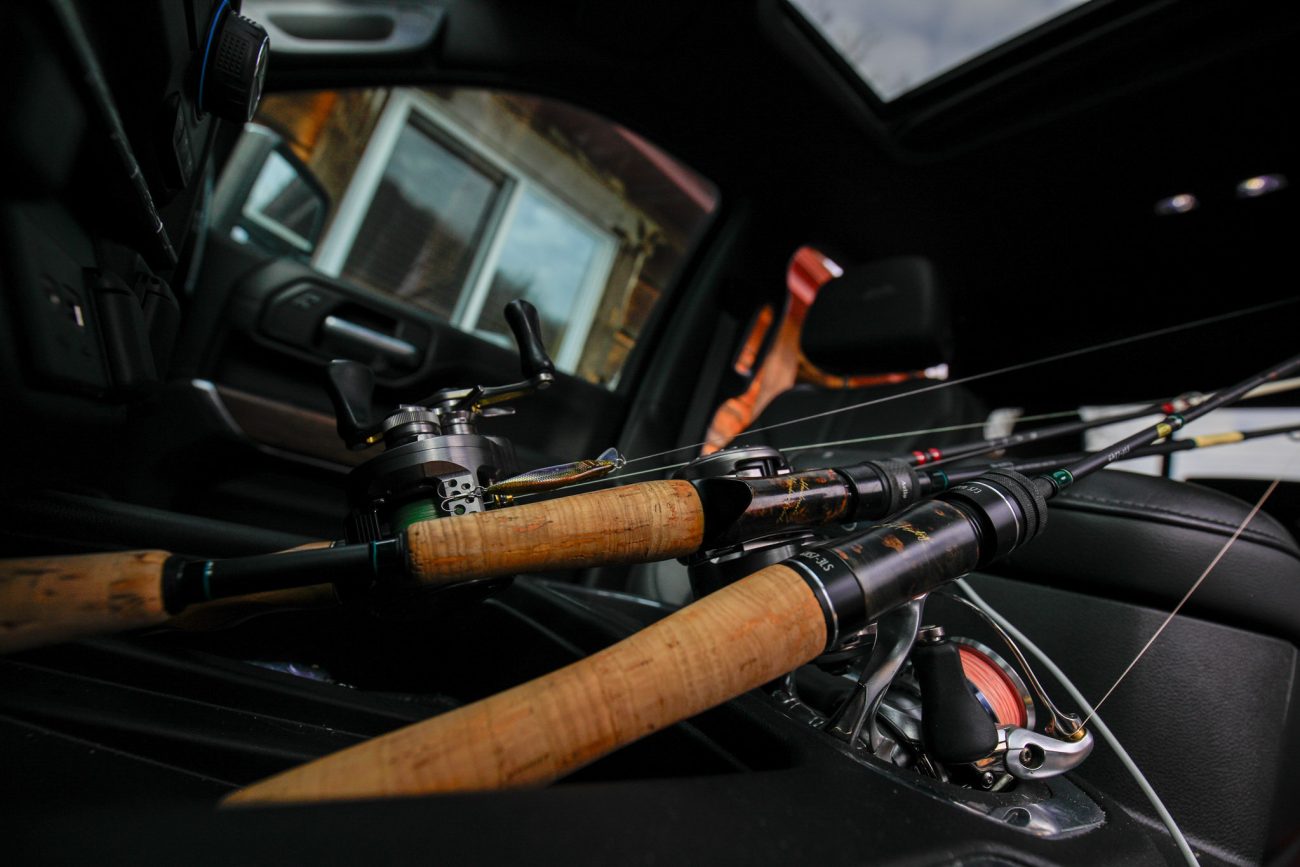
I’ve become accustomed to this part of my farmer’s almanac. It evokes an inherent need for exploration: window down, atlas open. Little pen marks and highlights offer ideas from previous years’ cartography—routes remembered, routes revised.
And if you’re lucky, you might catch the past and present colliding with the passing sound of a horse and buggy as it clops down the road and echoes off the valley walls—a welcomed rhythm, juxtaposed against a modern world stuck in its own cadence.
Pull over. Get out. Explore. There’s a reason these landowners think so highly of their special honey holes that they decided to share them with you.