Finding the Sweet Spot — and Knowing When to Push It
The Karashi 80 exists in a dimension of its own, unlocked by its smaller predecessor.
Born from a bait-finesse mindset, it refuses to stay confined to ultra-light or ultra-subtle applications. Its real strength reveals itself when you understand where its operational center lives, and when conditions justify pushing outward from that center.
This isn’t simply about rod choice.
It’s about building a system around the Karashi 80 and understanding how that system expands and contracts with conditions.
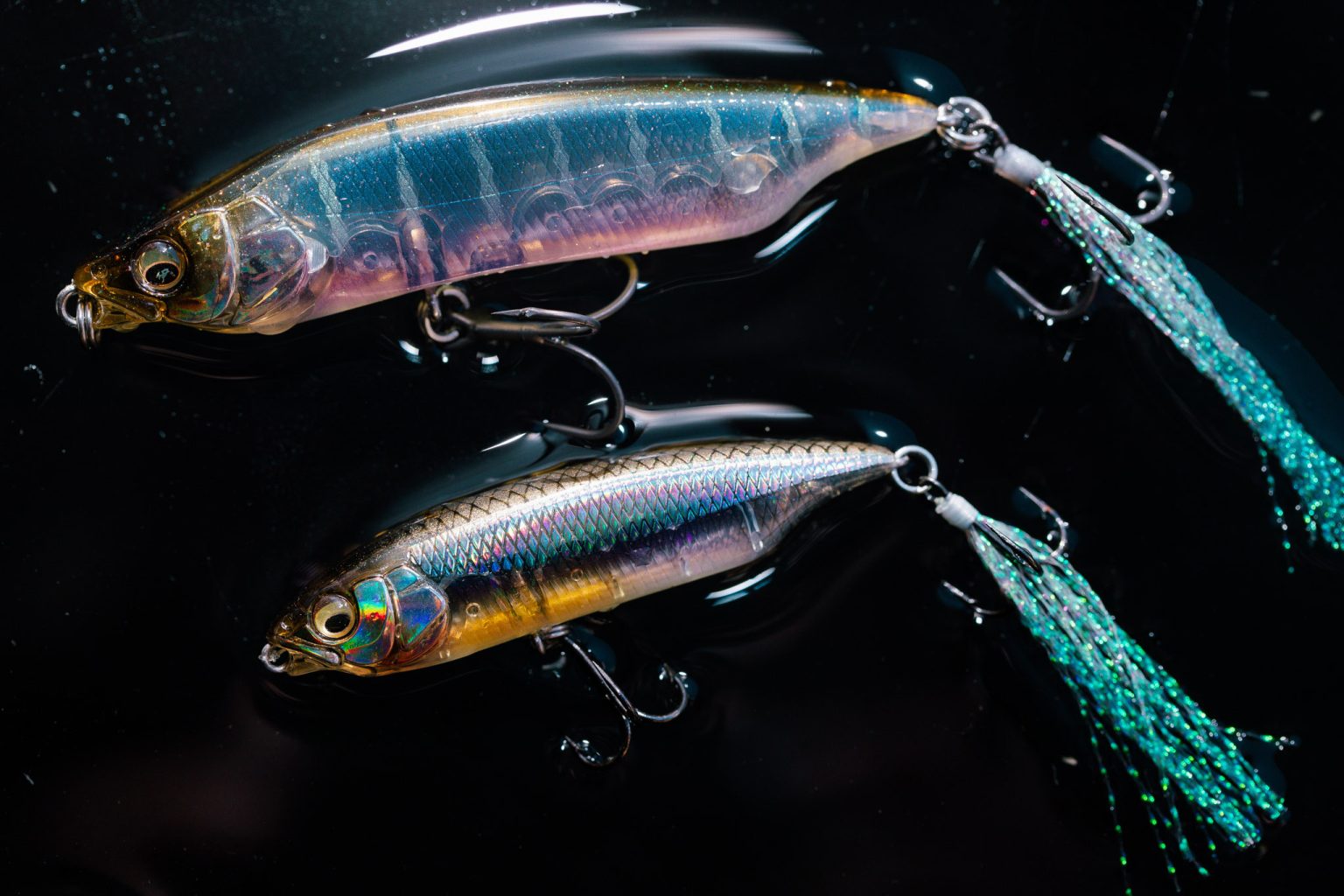
What separates the Karashi 80 from many compact topwaters and twitch baits is versatility. It doesn’t live inside a single presentation lane. It shifts among primary, secondary, and tertiary roles depending on the fish and the environment.
On any given day, it can be:
- Walked in slick, calm over shallow flats
- Snapped along weed edges in 3–8 feet
- Driven aggressively in the wind
- Reeled horizontally across expansive grass flats
That range is unlocked by aligning three variables:
- Conditions
- Cadence
- Rod Power
When those three stay in balance, the bait performs at its highest level.
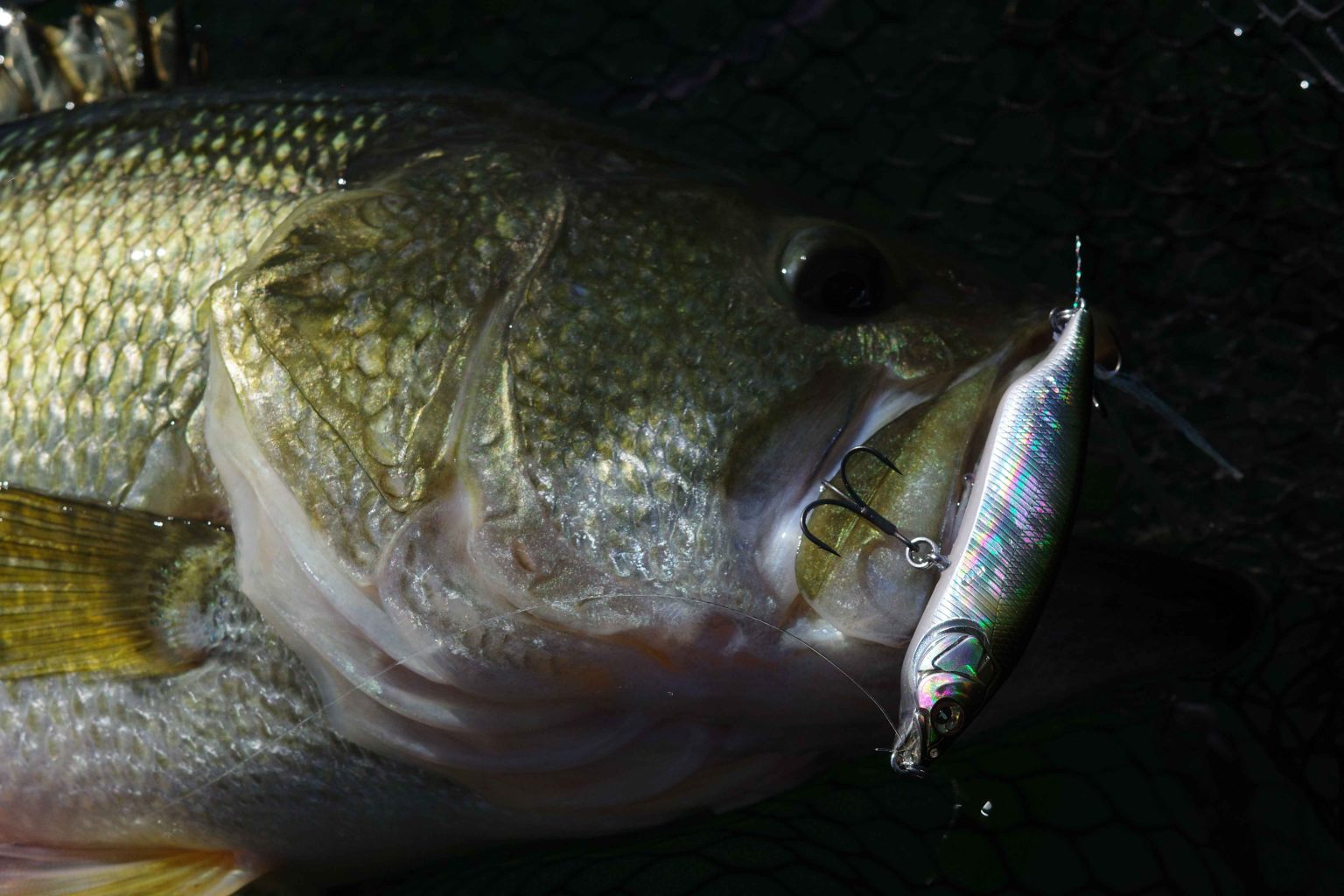
The Starting Point — Oneten Stick (F4)
The Oneten Stick (F4) is the operational center of the Karashi 80 system.
This is where most anglers should begin.
The F4 power provides enough backbone to control the bait in mixed conditions while still maintaining the flex needed to preserve glide. It’s balanced, responsive, and adaptable — making it the most versatile starting point.
More importantly, this pairing gives the Karashi 80 its best top-walking ability, most representative of its predecessor’s surface behavior.
On the Oneten Stick, the bait sits properly in the film and transitions cleanly from slack-driven glide into tight, rhythmic surface walking. The rod’s recovery speed keeps directional changes crisp without over-accelerating the bait, allowing it to track with that familiar, controlled cadence that defined the original Karashi’s appeal.
This is where the lineage shows.
The bait feels intuitive.
The walk feels natural.
The rhythm feels connected.
On the Oneten Stick, the Karashi 80:
- Walks cleanly with minimal effort
- Maintains cadence in light wind
- Transitions seamlessly from glide to surface walk
- Casts with accuracy and consistency
This is the “centered” pairing — and the one that most faithfully expresses the bait’s topwater DNA.
From here, you adjust outward.
Sliding Toward Fluidity — Oneten Special (F4.5)
When conditions become calm, high-pressure, or demand a more fluid presentation, stepping into the Oneten Special (F4.5 fast taper) changes the bait’s expression.
This isn’t a move toward weakness.
It’s a move toward glide amplification.
The deeper loading moderate taper allows the Karashi 80 to:
- Swing wider on slack
- Extend its lateral glide
- Absorb cadence input more gradually
- Maintain a fluid, controlled surface presence
This pairing excels in:
- Slick calm water
- Clear-water flats
- Fish pushing upward but inspecting carefully
- High-pressure conditions where subtlety wins
Here, cadence becomes more deliberate.
Slack becomes more intentional.
Pauses become longer.
The bait feels alive — but never forced.
The Oneten Special softens the system without disconnecting it.
Sharpening Response — P5 Javelin (F5)
While the Javelin is similar to the F4.5 rating of the Oneten Special, its taper and recovery speed shift the personality of the presentation.
The Javelin (F5) sharpens cadence.
This rod excels when fish position:
- Along defined weed edges
- Around sparse cover
- On subtle depth transitions in 3–8 feet
It tightens downward snaps and increases immediate bait response.
In light chop, or when fish are tracking but hesitant, that added crispness often triggers commitment.
You’re not overpowering the lure. You’re refining the signal.
Braid-to-leader systems pair especially well here, enhancing responsiveness without sacrificing treble security.
When Conditions Demand Authority — Madbull (F5)
Then conditions escalate.
Wind increases.
Fish begin chasing.
Longer casts become necessary.
Surface resistance builds.
This is when stepping into the Madbull (F5) becomes justified.
The Madbull is not about finesse. It’s about control under pressure.
The additional power allows you to:
- Maintain cadence in heavy wind
- Snap harder without losing rhythm
- Drive the bait at higher speeds
- Execute confident sweep hooksets at distance
The key is not overpowering the Karashi 80.
It’s preserving cadence integrity when environmental resistance rises.
The Madbull keeps the system intact when everything around you is working against it.
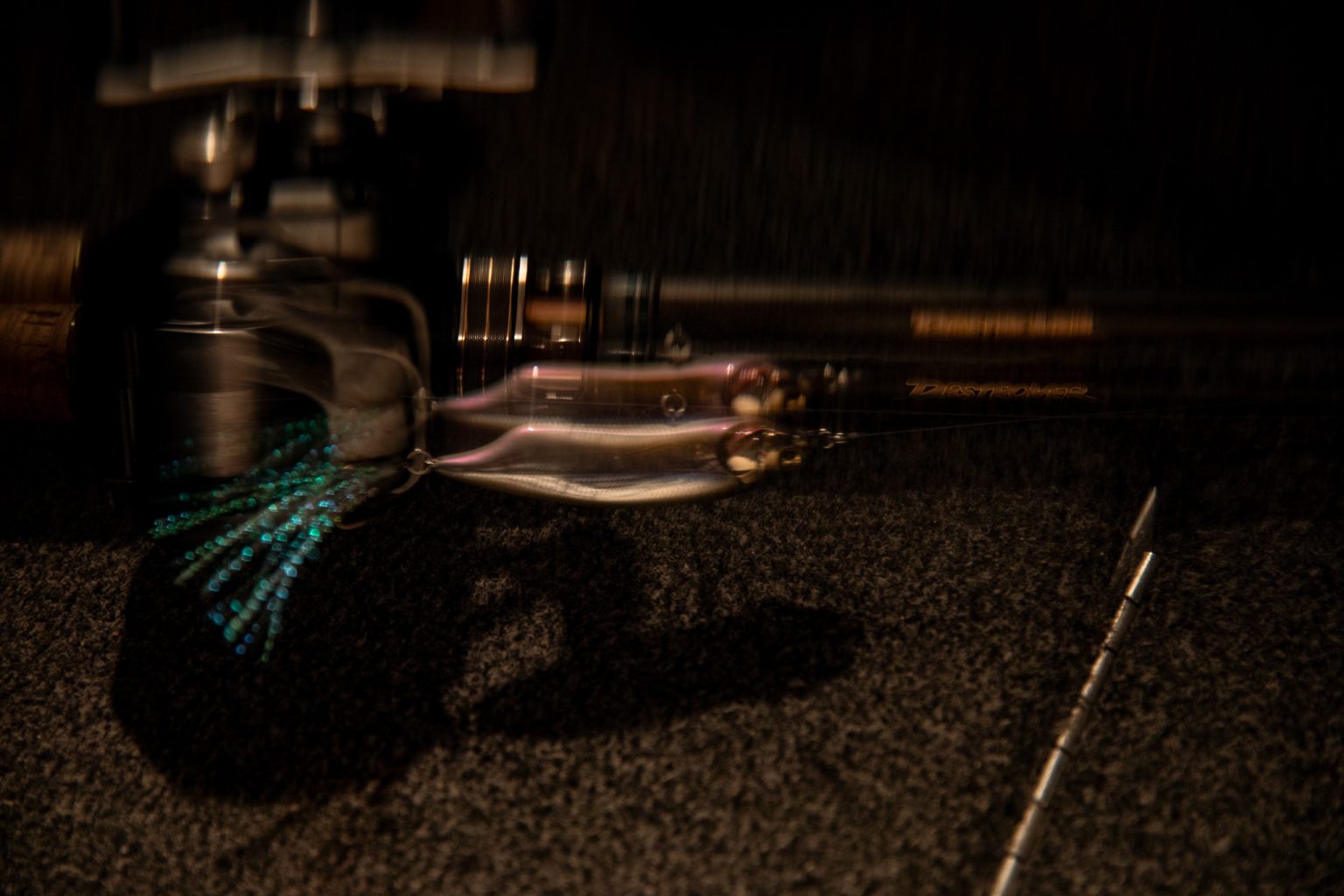
The Overlooked Role — Speed Reeling Over Grass
One of the most overlooked applications of the Karashi 80 comes across shallow grass flats.
When fish position high in the water column over submerged vegetation, a traditional walking cadence can become too deliberate.
Here, the bait becomes a horizontal search tool.
Instead of relying primarily on rod cadence, this retrieve shifts toward reel control:
- Long cast
- Steady medium-to-fast retrieve
- Subtle surface tracking
Then comes the trigger: The pause.
That brief stall, especially over isolated grass clumps or canopy edges, often forces commitment.
The forward movement attracts.
The stall seals the deal.
In this role:
- Oneten Stick (F4) = balanced control and casting distance
- Javelin (F5) = sharper response around defined edges
- Madbull (F5) = authority in wind or heavy grass resistance
This retrieve doesn’t replace the finesse walk. It expands the system.
Line — The Silent Adjustment
Rod power frames the system.
Line reshapes the feel.
- Straight fluorocarbon slightly dampens action and encourages controlled glide. Ideal in clear water or pressured situations.
- Braid to mono sharpens surface presence and increases walk crispness in slick calm.
- Braid to fluorocarbon provides a balanced, responsive system for mixed conditions.
The bait doesn’t change. The feedback loop does.
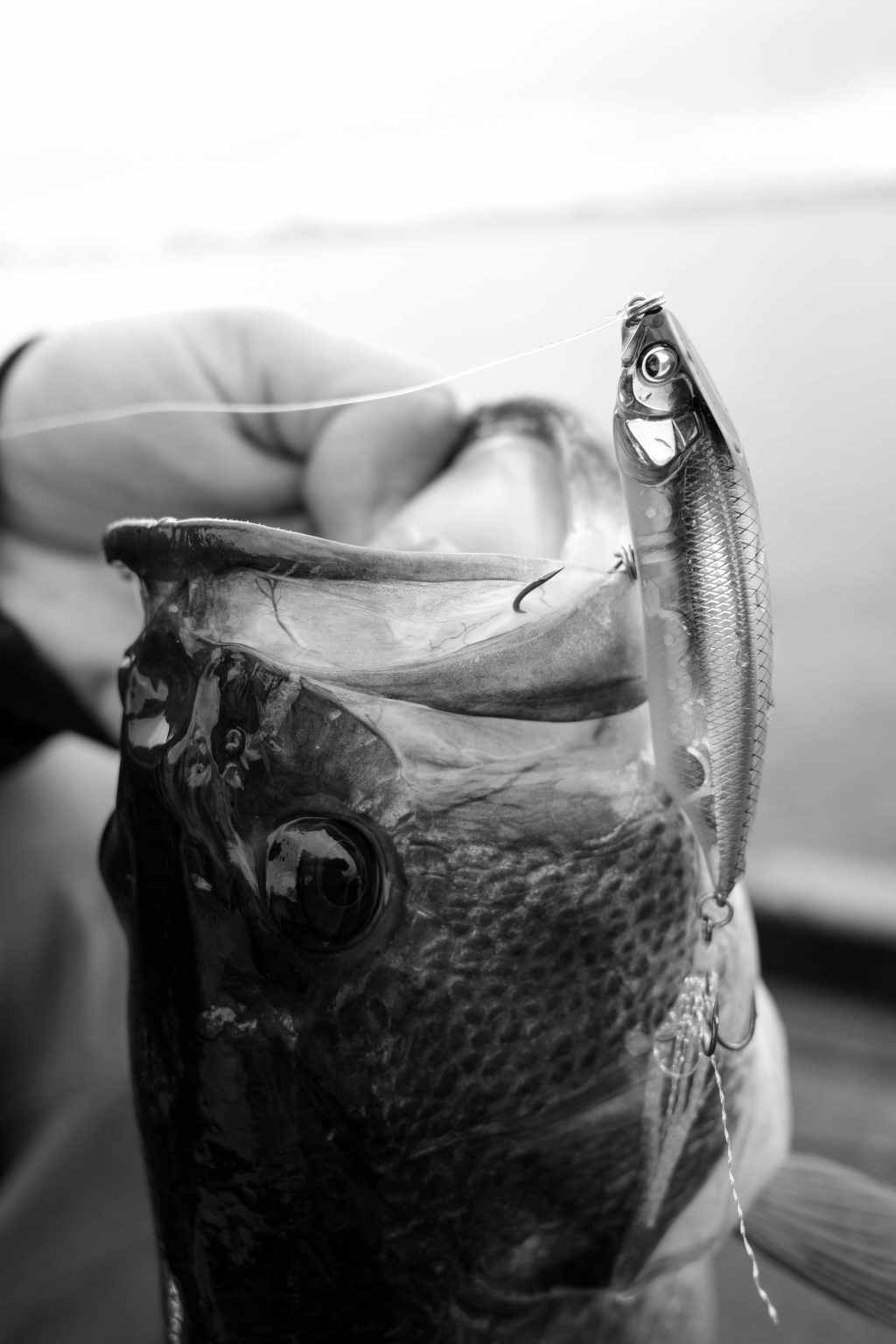
Cadence Defines Everything
Whether walking it on the Oneten Stick, loosening it on the Oneten Special, sharpening it on the Javelin, or driving it on the Madbull — the Karashi 80 is ultimately a cadence bait.
Rod tip discipline defines direction.
Slack management controls glide.
Pause length drives commitment.
Pop–pop–pause in calm water.
Controlled snap cadence on edges.
Burn and stall across grass flats.
It isn’t about speed.
It’s about rhythm.
Start Centered — Then Expand
Begin with the Oneten Stick (F4) as your baseline — the pairing that most faithfully carries forward the Karashi’s surface-walking lineage.
From there:
Slide into the Oneten Special (F4.5) when you need amplified glide and fluidity.
Refine response with the Javelin (F5) when precision around edges matters.
Step into the Madbull (F5) when wind, distance, and aggression demand authority.
Adjust line to fine-tune feel.
Shift cadence to match mood.
Let conditions dictate progression.
The Karashi 80 evolved from a surface-driven concept — but it was never meant to be limited by it.
The bait stays constant.
The system evolves.
And when you understand where the center lives — and when to push beyond it — the full range of the Karashi 80 reveals itself.